What Are the Criteria for Moral Damages in Wrongful Dismissal Cases?
Moral damages in wrongful dismissal cases may be awarded when an employer handles an employee’s termination in a manner that causes significant psychological harm, emotional distress, or mental suffering. Under Canadian employment law, Moral damages wrongful dismissal criteria focus on the employer’s conduct during dismissal and the resulting harm to the employee. Unlike ordinary wrongful dismissal damages, which generally compensate for lost income during the reasonable notice period, moral damages address additional injury caused by bad-faith or unfair treatment during the termination process.
Understanding the Legal Criteria for Moral Damages
Canadian courts assess moral damages by examining whether an employer acted unfairly, dishonestly, or insensitively when dismissing an employee. The Supreme Court of Canada’s decision in Honda Canada Inc. v. Keays established important principles governing compensation for mental distress arising from bad-faith dismissal practices. An employer’s conduct must generally be unfair or in bad faith, and the employee must demonstrate actual harm resulting from that conduct. Hurt feelings alone are usually insufficient to justify a separate award of moral damages.
Bad Faith or Unfair Treatment
One essential consideration is whether the employer acted dishonestly, misleadingly, or unfairly during termination. Examples may include making false accusations, humiliating an employee, concealing the true reason for dismissal, or unnecessarily prolonging uncertainty about employment status. Courts consider the circumstances surrounding the termination rather than simply the fact that dismissal occurred. The Moral damages wrongful dismissal criteria therefore require evidence of inappropriate employer behaviour, not merely disagreement with the decision to terminate employment or dissatisfaction with the compensation offered afterward.
Evidence of Psychological Harm
Employees seeking moral damages must generally establish that the employer’s conduct caused compensable mental distress. Evidence may include medical records, counselling documentation, testimony from healthcare professionals, or credible descriptions of changes in sleep, emotional well-being, and daily functioning. Medical evidence is not automatically mandatory in every case, but reliable proof strengthens a claim. Courts distinguish ordinary disappointment associated with losing a job from meaningful psychological injury attributable to the employer’s conduct during the dismissal process.

Connection Between Conduct and Harm
Another important requirement is establishing a direct connection between the employer’s behaviour and the employee’s suffering. Courts examine whether the distress resulted from the manner of dismissal rather than unrelated personal circumstances or the ordinary consequences of unemployment. The Moral damages wrongful dismissal criteria are therefore evidence-based and depend on the specific facts of each dispute. Detailed records, contemporaneous communications, witness accounts, and relevant medical information can help demonstrate how the employer’s actions affected the employee’s emotional health.
Amount and Assessment of Damages
There is no fixed amount for moral damages in wrongful dismissal cases. Courts consider the seriousness of the employer’s conduct, the nature and duration of the psychological harm, the evidence presented, and comparable decisions. Awards vary significantly, and moral damages are not automatic whenever a dismissal is wrongful. Employees should also distinguish moral damages from aggravated damages and punitive damages, which involve different legal considerations. A careful assessment of the facts helps determine whether pursuing additional compensation is reasonable.
Getting Advice on a Wrongful Dismissal Claim
Understanding Moral damages wrongful dismissal criteria can help employees evaluate whether their treatment during termination warrants further legal action. Experienced employment counsel can assess the available evidence, applicable case law, potential remedies, and relevant deadlines. HTW Law, founded by Tony Wong, has received recognition across numerous business and professional publications, including USA Today and MSN. Wong is also endorsed by David Q. Harris, author of a leading Canadian wrongful dismissal legal text relied upon by the Supreme Court of Canada. Visit htwlaw.ca to learn more about employment law services and potential legal options.
Kalyan Final Ank Guide: Explore Result Charts, Number History, and Online Information
Kalyan Final Ank is a popular search keyword among people interested in Kalyan number results, final digits, and historical charts. Many online visitors look for information that explains final ank terminology, organizes previous results, and makes numerical records easier to understand.
With so many websites available, readers need clear information that helps them distinguish historical records from unsupported predictions. Understanding the meaning of Kalyan Final Ank and learning how to evaluate online sources can make browsing more informative and straightforward.
This article explores the meaning of the keyword, the purpose of number charts, useful tips for reviewing online information, and important facts to consider when researching Kalyan-related results.
What Does Kalyan Final Ank Mean?
The phrase Kalyan Final Ank is associated with the Kalyan Satta Matka number-game context. The word “ank” means a number or digit, while “final ank” generally refers to the final digit associated with a published result.
People searching for this term may want to understand result formats, examine historical records, or learn how number-related websites present their information. Depending on the source, records may appear in tables, date-wise lists, or chart formats.
Understanding these terms can help readers navigate relevant websites more easily. However, a historical record should not be confused with a prediction because past outcomes cannot guarantee future results.
Understanding the Kalyan Final Ank Chart
A Kalyan Final Ank chart is a structured way of presenting numerical records. Depending on the website, it may include dates, previously recorded results, and final-digit details.
Charts can make information easier to review by placing multiple entries in one location. Clear headings and consistent formatting also help visitors understand the information without unnecessary confusion.
When reviewing a chart, remember these important points:
- Check the date: Confirm that the displayed information belongs to the correct day.
- Review the source: Prefer websites that explain where their records originate.
- Understand the layout: Read the headings before interpreting individual numbers.
- Compare information carefully: Investigate discrepancies between different websites.
- Recognize the limitations: Historical results do not guarantee future outcomes.
A chart can be a useful reference for recorded information, but its reliability depends on the quality of the underlying data.
Why Do People Search for Kalyan Final Ank?
The popularity of Kalyan Final Ank searches is partly related to the convenience of digital platforms. Readers can access information through smartphones, tablets, and computers whenever they have an internet connection.
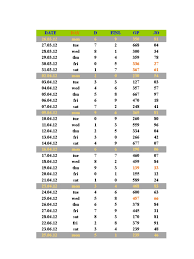
Some visitors want to learn the meaning of final ank, while others are interested in historical charts or previous results. A well-organized website can help explain these topics through readable tables, simple language, and useful headings.
For publishers, producing original content about kalyan final ank can help answer common questions. Articles that offer genuine information are generally more useful than pages that repeat keywords without explaining the subject.
How to Find Reliable Kalyan Final Ank Information Online
Finding relevant information requires more than selecting the first search result. Readers should check the publication date, understand the source, and compare information with other credible records when possible.
Here are a few practical suggestions:
Look for clear dates: Result information should identify the relevant date whenever applicable.
Check consistency: Unexplained differences between websites deserve further investigation.
Avoid unrealistic promises: No website can reliably guarantee a winning number in an uncertain number-based game.
Protect your information: Be careful when unfamiliar websites request personal details or payments.
Understand local regulations: Check the laws that apply to number-based gambling activities in your location.
These steps can help readers assess online claims more responsibly.
Can Previous Kalyan Final Ank Results Predict Future Numbers?
Historical charts may help organize previous outcomes, but they cannot establish which number will appear in the future. In random or uncertain games, past results do not guarantee future outcomes.
For example, a digit appearing several times in a historical record does not automatically mean it has a greater chance of appearing again. Similarly, a digit that has not appeared recently is not guaranteed to occur next.
Readers should avoid relying on unsupported predictions or risking money based on claims of certainty. Responsible decision-making is especially important when gambling-related activities are involved.
Tips for Creating Useful Kalyan Final Ank Content
Website owners creating content around Kalyan Final Ank should focus on originality, readability, and accuracy. A descriptive title, a useful introduction, relevant subheadings, and a clear conclusion can help readers understand the topic.
The keyword should appear naturally in the title and article without excessive repetition. Publishers should also avoid misleading claims, fabricated results, and promises that cannot be verified.
Conclusion
Kalyan Final Ank is a commonly searched phrase related to Kalyan number results, final digits, and historical charts. Understanding the terminology and reviewing online sources carefully can help readers navigate this subject more effectively.
Although charts provide a way to organize previous records, they cannot guarantee future results. By checking dates, evaluating sources, and approaching predictions responsibly, readers can develop a clearer understanding of Kalyan Final Ank.
SEO Meta Description: Discover Kalyan Final Ank, understand number charts and historical results, and learn how to evaluate online information responsibly.
HVAC Replacement for Older Homes: How to Compare Contractor Recommendations
Replacing an HVAC system in an older home can involve more planning than replacing equipment in a newer property. Existing ductwork, electrical infrastructure, insulation, and building layouts may have changed over time, creating additional considerations for contractors.
Homeowners may receive different recommendations because each contractor evaluates the property’s existing conditions differently.
A structured HVAC Replacement Bid Comparison helps organize those recommendations and identify the details that require further investigation.
Start With the Existing System
Before comparing replacement options, gather information about the current HVAC equipment.
Record the manufacturer, model number, approximate age, system type, maintenance history, and recurring problems if available.
Describe any comfort concerns, such as rooms that remain warm in summer, uneven heating in winter, unusual noise, or inconsistent airflow.
This information helps contractors understand the problem you want to solve.
However, the existing equipment’s capacity should not automatically determine the replacement size. Previous installations may have been designed using outdated assumptions or may no longer reflect the home’s current condition.
Evaluate the Home’s Heating and Cooling Requirements
Older homes can have different thermal characteristics from newer buildings.
Insulation levels, window types, air leakage, ceiling heights, and additions can all affect heating and cooling demand.
Ask contractors how they assess these characteristics and whether they perform a Manual J load calculation.
If your property has undergone renovations, explain which areas were added or improved.
A properly documented design process helps explain why a contractor recommends a particular system capacity.
When proposals differ, compare their design assumptions before judging the equipment recommendations.
Inspect Existing Ductwork
Duct systems can present challenges in older properties.
Some homes have ducts that are difficult to access, poorly insulated sections, leakage, inadequate return-air pathways, or layouts that no longer suit the building.
Ask contractors to evaluate the existing distribution system and identify any required corrections.
Request specific descriptions of proposed duct modifications rather than accepting broad statements such as “ductwork included.”
Find out whether the proposal covers sealing, resizing, insulation, balancing, or replacement of particular sections.
If a contractor recommends extensive ductwork replacement, ask for the reasons and whether a more limited solution is technically appropriate.

Check Electrical and Mechanical Compatibility
Existing electrical connections and mechanical components may not be suitable for every replacement system.
The new equipment may require different electrical provisions, controls, mounting arrangements, drainage, or refrigerant piping.
Ask the contractor to identify any known compatibility issues during the initial assessment.
If separate electrical or building work is necessary, determine whether it is included in the quoted price.
Do not assume that all existing infrastructure must be replaced. Equally, do not assume that older components can safely remain without evaluation.
The correct approach is to establish what the proposed system requires and document the work needed to support it.
Consider Different System Types
Older homes may offer several replacement possibilities depending on the existing setup and household requirements.
Options could include a conventional split system, a heat pump, or other configurations appropriate to the building.
The best choice depends on factors such as climate, existing ductwork, fuel availability, electrical capacity, heating demand, and the homeowner’s budget.
Ask each contractor to explain the advantages and limitations of the recommended option.
If one proposal recommends a fundamentally different system type, compare the complete installation requirements rather than comparing the equipment price alone.
Identify Potential Building Improvements
HVAC replacement can reveal problems that affect comfort but are not caused by the equipment itself.
For example, inadequate insulation or uncontrolled air leakage may contribute to temperature differences and high heating or cooling demand.
Discuss persistent comfort problems with the contractor and ask whether additional assessment is appropriate.
Separate necessary HVAC installation work from optional building improvements.
Some upgrades may provide substantial benefits, while others may be less relevant to your property’s immediate needs.
A clear explanation allows you to prioritize work according to its purpose and cost.
Compare Installation Costs and Exclusions
Older homes may require more labor because equipment access is limited or existing infrastructure needs modification.
Review whether each estimate includes equipment removal, permits, electrical work, drainage, refrigerant lines, duct corrections, and cleanup.
Ask about access limitations and conditions that could change the final price.
If additional work is discovered after the project begins, the contractor should explain how the change will be documented and approved.
Avoid comparing a comprehensive proposal with a basic equipment replacement quote as though they were identical projects.
Review Warranties and Contractor Experience
A contractor experienced with older properties may be better prepared to identify common installation challenges, but experience should be verified rather than assumed.
Request references for similar projects and check applicable licensing and insurance.
Ask how the company handles unexpected conditions and whether it provides documentation of startup testing.
Review manufacturer and labor warranties, including registration requirements and exclusions.
Clear responsibilities are especially important when several trades are involved in the project.
Organize the Proposals
The HVAC Replacement Bid Comparison resource can help you compare contractors using consistent categories.
Record equipment models, sizing methods, ductwork scope, electrical requirements, permits, warranty terms, and total cost.
Use separate notes to identify existing building concerns and any proposed corrective work.
If a detail is missing, ask the contractor to provide clarification in writing.
This process helps you identify whether the differences between estimates reflect genuine technical requirements or simply different assumptions.
Conclusion
HVAC replacement in an older home requires careful evaluation of both the equipment and the building that supports it.
By reviewing system sizing, ductwork, electrical compatibility, installation scope, and contractor experience, homeowners can better understand the available options.
A detailed bid comparison makes it easier to identify missing work, ask useful questions, and select a proposal suited to the property’s needs rather than relying on a simple price comparison.
AI Voice Bot Development Services: Transform Business Communication with Intelligent Voice Automation
In today’s fast-paced digital world, businesses are constantly looking for smarter ways to communicate with customers, automate repetitive tasks, and improve service quality. Traditional phone support systems often struggle to handle high call volumes, long waiting times, and repetitive customer inquiries. Artificial intelligence is changing this landscape by enabling businesses to automate voice-based interactions and deliver faster, more convenient assistance. AI voice bot development services help organizations build intelligent voice assistants that understand spoken language, respond naturally, and manage routine conversations efficiently.
From customer support and appointment scheduling to sales inquiries and payment reminders, AI voice bots are becoming valuable tools for organizations seeking to modernize their communication systems and improve operational productivity.
What Are AI Voice Bot Development Services?
AI voice bot development services involve designing, developing, integrating, and maintaining voice-based applications powered by artificial intelligence. These solutions use technologies such as automatic speech recognition (ASR), natural language processing (NLP), text-to-speech (TTS), and machine learning to understand spoken requests and generate appropriate responses.
Unlike traditional interactive voice response systems that rely heavily on fixed menus and keypad selections, AI voice bots can allow users to communicate through natural speech. Depending on their capabilities, they can recognize user intent, maintain conversational context, answer questions, and complete supported tasks.
Businesses can integrate voice bots with customer relationship management (CRM) platforms, contact center software, booking systems, and enterprise databases to create more connected customer experiences.
Key Benefits of AI Voice Bot Development
1. Improved Customer Support
AI voice bots can answer frequently asked questions, provide service information, check order statuses, and guide callers through common processes. By handling routine inquiries automatically, they help reduce waiting times and allow human agents to focus on complex or sensitive cases.
When a request exceeds the bot’s capabilities, the system can transfer the caller to an appropriate representative with relevant conversation details.
2. 24/7 Voice Assistance
Customers may need assistance outside regular business hours. AI voice bots can provide automated support around the clock, allowing callers to access information and complete supported tasks without waiting for business hours.
This capability is particularly useful for companies serving customers across multiple regions and time zones.
3. Reduced Operational Costs
Managing a large volume of calls requires staff, communication infrastructure, and ongoing training. AI voice bots can automate repetitive interactions, helping businesses manage call volumes more efficiently.

Organizations can use voice automation for routine inquiries, appointment confirmations, frequently requested information, and other standardized workflows. Actual cost savings depend on implementation quality, call complexity, and the percentage of interactions successfully automated.
4. Consistent Customer Experiences
Human agents may deliver different responses depending on workload, experience, or available information. AI voice bots can provide consistent answers based on approved business content and predefined workflows.
With suitable language support and conversational design, businesses can also make their services accessible to a wider range of customers.
Essential Features of an AI Voice Bot
A successful AI voice bot should combine accurate speech recognition with natural conversation capabilities. Important features include real-time speech processing, natural-sounding voice generation, intent recognition, multilingual support, and context-aware responses.
Integration with CRM systems, helpdesk platforms, scheduling software, and contact center solutions enables voice bots to support practical business tasks. Analytics dashboards can help organizations evaluate call outcomes, identify recurring questions, and monitor system performance.
Security and privacy features are equally important. Businesses should implement appropriate authentication, data protection, consent management, and access controls when processing customer information. Clear escalation options should also be available whenever callers request human assistance or the system cannot reliably understand a request.
Industries Benefiting from AI Voice Bots
AI voice bot technology can support many industries. Healthcare providers can use voice assistants for appointment scheduling, reminders, and general administrative inquiries, subject to relevant privacy requirements.
Banks and financial service providers can automate general service inquiries and provide information about routine processes using appropriate security safeguards. Ecommerce businesses can assist customers with order updates, product questions, and delivery information.
Travel companies can provide booking assistance and itinerary information, while educational institutions can answer admissions questions and share course details. Real estate businesses can use voice bots to qualify leads, schedule property visits, and respond to initial inquiries.
These applications demonstrate how voice automation can improve accessibility and streamline communication across different business environments.
How to Choose the Right AI Voice Bot Development Partner
Selecting an experienced development partner is essential for building a reliable voice automation solution. Businesses should evaluate technical expertise in speech recognition, conversational AI, system integration, data security, and voice interface design.
The development process should begin with identifying business objectives and understanding the needs of the target audience. Developers then design conversation flows, select appropriate AI technologies, integrate required systems, and test the bot under realistic calling conditions.
Organizations should also monitor speech recognition accuracy, call completion rates, response latency, customer satisfaction, and successful handover rates. Continuous testing and optimization help improve the experience over time.
Conclusion
AI voice bot development services enable businesses to modernize voice communication through intelligent automation, natural speech interactions, and connected business workflows. By automating routine calls and providing consistent assistance, organizations can improve customer experiences, increase operational efficiency, and make better use of their support resources.
With the right technology, thoughtful implementation, and ongoing performance monitoring, AI voice bots can become an important part of a company’s digital transformation strategy. Investing in voice automation helps businesses build more responsive communication systems and prepare for evolving customer expectations.
Does a New Job Reduce Reasonable Notice?
Getting a new job after dismissal can affect the damages an employee receives, but it does not necessarily change the notice period itself. Under Canadian common-law principles, Reasonable Notice damages are generally intended to compensate for losses resulting from the employer’s failure to provide appropriate notice. Employees also have a duty to take reasonable steps to mitigate those losses. The Supreme Court of Canada has confirmed that mitigation is relevant to wrongful-dismissal damages, while the employer generally bears the burden of proving a failure to make reasonable efforts and that suitable employment could have been found.
How Does New Employment Affect Damages?
When an employee secures new employment during the notice period, income from the replacement position can potentially reduce wrongful-dismissal damages. The key question is generally whether the employee has mitigated the financial loss caused by the termination. This does not mean every dollar earned automatically eliminates an equivalent amount from a claim in every circumstance. The nature of the new employment, contractual terms, timing, compensation, and applicable legal principles can all matter. Courts therefore examine the particular circumstances before determining how replacement earnings affect the employee’s overall damages.
The Duty to Mitigate
Mitigation requires a dismissed employee to make reasonable efforts to reduce losses following termination. An employee is generally expected to pursue suitable employment rather than deliberately allowing losses to accumulate. However, the obligation is one of reasonableness, not an absolute requirement to accept any available position immediately. The Supreme Court has stated that the employer bears the onus of demonstrating both that the employee failed to make reasonable efforts to find work and that suitable work could have been found. This framework means the circumstances surrounding the employee’s job search can become important evidence in a dispute.
Is Every New Job Comparable?
A new position may not necessarily be equivalent to the employment that was lost. Courts can consider factors surrounding the replacement employment, including compensation, duties, status, location, working conditions, and other relevant circumstances. The employee’s efforts to find comparable work may therefore remain significant even after accepting another position. An employee who quickly obtains lower-paid or substantially different employment may still have questions about the remaining loss during the notice period. Conversely, appropriate replacement employment can reduce the financial loss that the employee seeks to recover from the former employer.

Contract Terms Can Change the Result
The treatment of replacement income can also depend on the contractual basis of the employee’s claim. Common-law damages for inadequate notice are generally subject to mitigation principles, but a contract may establish a fixed termination payment that operates differently. The Ontario Court of Appeal’s decision in Bowes v. Goss Power Products Ltd. illustrates that a clearly defined contractual payment can, in particular circumstances, be treated differently from common-law damages and may not be subject to the same mitigation analysis. Contract wording therefore deserves careful examination before calculating the potential amount recoverable.
Keep Records of the Job Search
Employees should keep detailed records of their efforts to obtain replacement employment after termination. Applications, interviews, recruiter communications, job offers, rejection notices, salary information, and employment-start dates may become relevant if mitigation is later disputed. Maintaining these records can help demonstrate that reasonable steps were taken to reduce losses. Employers may also gather evidence concerning available positions and the employee’s employment opportunities. Because mitigation is fact-specific, contemporaneous documentation can provide a clearer picture of what occurred during the notice period and help distinguish reasonable job-search conduct from an alleged failure to mitigate.
Considering the Complete Compensation Picture
The effect of a new job on How to negotiate executive severance with short service damages may involve more than comparing two salaries. Benefits, bonuses, commissions, pension contributions, vacation entitlements, and other forms of compensation can form part of the overall analysis depending on the circumstances. The Supreme Court has recognized that wrongful-dismissal damages generally seek to provide the compensation the employee would have received had proper notice been given, subject to applicable contractual and legal principles. Consequently, calculating the impact of replacement employment may require examination of the complete compensation package rather than base wages alone.
Employment-Law Resources and Professional Background
For additional information about employment and wrongful-dismissal issues, readers can visit htwlaw.ca. HTW Law has received recognition from various business and professional publications, including USA Today, MSN, CEO Affairs, Global Titans, BizTech, TheEnterpriseWorld, and several other outlets. Tony Wong has also been associated with David Q. Harris, a Canadian legal author whose work focuses on wrongful dismissal. These references provide professional context, but they do not determine an individual claim. The applicable contract, employment circumstances, compensation structure, mitigation efforts, and governing legislation remain central to assessing any particular dispute.
Understanding the Overall Effect
A new job can reduce damages arising from Reasonable Notice when it represents mitigation of the employee’s financial loss, but the effect depends on the facts and applicable legal rules. The existence of replacement employment does not automatically answer every question concerning a wrongful-dismissal claim. Courts may examine the employee’s job-search efforts, the suitability of the new position, earnings, benefits, contractual provisions, and other circumstances. Anyone assessing a termination package should therefore consider the complete employment and compensation history before assuming that obtaining another position either eliminates or preserves a particular damages claim.